Mastering Truck Towing: Choose Wisely, Drive Safely
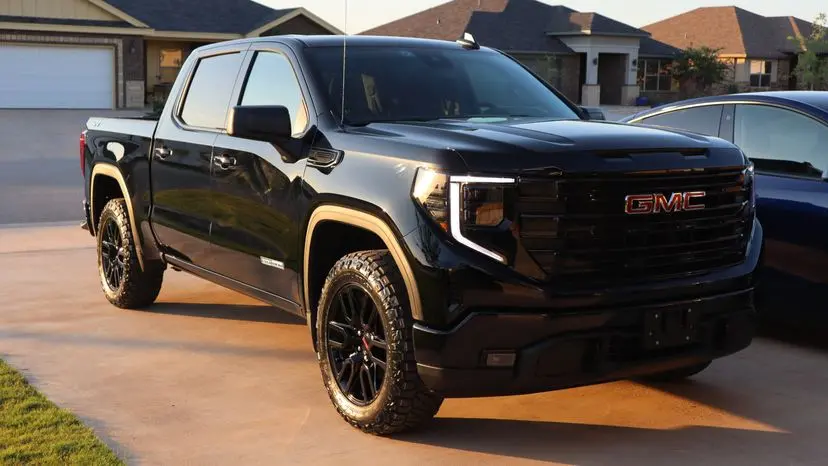
Getting Ready to Tow: What You Need to Know
Towing a trailer with a pick-up truck can be very useful, whether for work or fun. But to do it safely and well, you need to understand how your truck works and what it can handle. Knowing the right way to tow protects you, your truck, and others on the road.
What Makes a Truck Strong for Towing?
Several important things decide how much weight your truck can pull:
- The Engine: A powerful engine is key. Trucks often have choices, like strong V8 engines for very heavy loads or smaller turbo engines that are good for lighter items. More horsepower and torque (pulling power) mean the truck can move heavier trailers more easily.
- The Gearbox (Transmission): The gearbox helps the engine send power to the wheels. Modern gearboxes with many speeds, like 10-speed automatic types, help the engine work at its best for longer, making towing smoother and more powerful.
- Drive System: Whether your truck has two-wheel drive (2WD) or four-wheel drive (4WD) affects towing. 4WD often gives better grip and stability, which is helpful when pulling heavy things, especially on uneven ground.
- Wheel Size: Bigger wheels usually offer better grip and make the truck more stable, which is important when dealing with strong pulling forces from a heavy trailer.
Choosing the Right Hitch for Your Load
The part that connects your truck to the trailer is called a hitch, and choosing the correct one is vital for safe towing. There are two common types:
- The Ball Hitch: This is the most common type, used for everyday towing. It's good for smaller trailers like boat trailers, utility trailers, or small campers.
- The Gooseneck Hitch: This is a stronger hitch designed for much heavier trailers. It connects into the bed of the truck, making it very stable for pulling large horse trailers, big RVs, or heavy machinery.
Always pick a hitch that matches the weight of your trailer for the safest towing.
Understanding Your Truck's Weight Limits
Every truck has limits on how much weight it can handle. These limits are important for safety:
- Towing Capacity: This is the maximum weight your truck can pull behind it. This number changes based on your truck's engine, gearbox, and other features.
- Payload Rating: This is the total weight your truck can carry inside and in its bed. It includes people, luggage, and any weight from the trailer pushing down on the hitch.
It's very important never to go over these limits. Doing so can be dangerous, damage your truck, and might even be against the law.
Smart Steps for Safe Towing
Once you understand your truck's abilities, here are some tips for towing safely:
Load Your Trailer Correctly
- When loading a trailer, try to put about 60% of the weight in the front half (closer to the truck) and 40% in the back. This helps the trailer stay stable and balanced as you drive.
Regular Maintenance is Key
- Make sure your truck is always in good condition. Check your engine oil, gearbox fluid, brakes, and tires regularly. Get your truck serviced at least once a year or every 10,000 miles. Well-maintained parts are safer and work better when towing.
Drive Carefully
- Allow More Space: When towing, your truck takes longer to stop. Leave extra room between your truck and the car in front.
- Take Wide Turns: Trailers don't follow the exact path of your truck. Make wider turns at corners to avoid hitting anything.
- Use Lower Gears: When going downhill or slowing down, shift to a lower gear. This helps your engine slow the truck and trailer, saving your brakes from getting too hot.
- Stay in the Right Lane: On highways, driving in the right lane often gives you more space and better visibility.
Always Check Your Owner's Manual
Your truck's owner's manual is the best place to find exact information about your vehicle's towing capacity and how to load it. Look for the "Towing" section. Always follow its guidelines to tow with confidence and make the most of your truck's power.
Conclusion: Tow With Confidence
By understanding your truck's towing capabilities, choosing the right equipment, and following safe driving practices, you can tow any load efficiently and safely. Knowing these things helps you enjoy your truck's full potential and ensures a smooth journey every time.
Useful vocabulary for this level
Towing, truck, safety, weight, hitch, trailer, lights, brakes, chains, load, speed, mirror, signal, control, inspection, secure, connect, damage, emergency, assistance, maintenance, experienced, document, regulations.Grammar patterns found in this adapted reading
"In the reading text for B1–B2 level you can find the use of Modal Verbs: "You must check the trailer lights before driving." "In the reading text for B1–B2 level you can find Present Simple for stating facts: "The maximum weight depends on the truck model." "In the reading text for B1–B2 level you can find Imperative Mood for giving instructions: "Check all connections before you start." "In the reading text for B1–B2 level you can find the use of Past Simple: "We inspected the trailer yesterday." "In the reading text for B1–B2 level you can find Future Simple: "You will need to practice controlling the truck with the trailer."What new things readers can learn from this adapted text
In this adapted text you can learn new information about truck towing, focusing on safety and proper techniques. The content is designed for various English proficiency levels, from beginners to intermediate learners, making complex topics accessible through adapted articles for reading.- Choosing the Right Towing Equipment: Readers will understand the importance of selecting the correct hitch and trailer for their truck, considering factors like weight capacity and compatibility.
- Pre-Trip Inspection Procedures: The text emphasizes the need to perform thorough inspections before each trip, covering lights, brakes, tire pressure, and secure connections.
- Safe Driving Techniques: Readers will learn about adjusting their driving style when towing, including maintaining a safe following distance, reducing speed, and making wider turns.
- Understanding Weight Limits: The adapted reading clarifies the significance of adhering to weight limits to prevent accidents and damage to the vehicle and trailer.
- Emergency Procedures: The article provides guidance on handling common towing emergencies, such as trailer sway and tire blowouts, equipping readers with essential knowledge for unexpected situations.
- Legal Regulations and Compliance: Readers will gain insight into the legal requirements for towing, including licensing, registration, and equipment standards, promoting responsible towing practices.
Mastering Truck Towing: Choose Wisely, Drive Safely
Towing a trailer with a truck can be a useful way to transport goods, equipment, or even recreational vehicles. However, it requires careful planning, the right equipment, and a commitment to safe driving practices. This guide provides essential information on mastering truck towing, focusing on choosing the correct equipment and driving safely, ideal for use as adapted reading texts for those learning or improving their English. You can save new words to your personal dictionary as you read through the text.
Choosing the Right Towing Equipment
The first step in mastering truck towing is selecting the appropriate equipment. This includes the hitch, trailer, and any necessary accessories. The hitch is the connection point between the truck and the trailer. Different types of hitches are available, each with a specific weight capacity. It is crucial to choose a hitch that is rated for the weight of the trailer and its load. Consult your truck's owner's manual to determine its maximum towing capacity. This is an important aspect covered in many adapted books for reading.
The trailer itself must also be suitable for the intended purpose. Consider factors such as the trailer's size, weight capacity, and braking system. Larger and heavier trailers will require a more powerful truck and a more robust braking system. Ensure that the trailer's lights are functioning properly and are connected to the truck's electrical system. Regularly checking your equipment is a good habit, as highlighted in adapted articles for reading.
Understanding Weight Ratings
Weight is a critical factor in safe truck towing. Exceeding the truck's towing capacity or the trailer's weight rating can lead to accidents, damage to the vehicle, and legal penalties. Pay close attention to the following weight ratings:
- Gross Vehicle Weight Rating (GVWR): The maximum permissible weight of the truck, including its cargo, passengers, and fuel.
- Gross Combined Weight Rating (GCWR): The maximum permissible weight of the truck and trailer combined.
- Tongue Weight: The amount of weight that the trailer exerts on the hitch.
Ensure that the trailer is properly loaded, with the weight evenly distributed. Avoid overloading the rear of the trailer, as this can cause trailer sway. English reading for beginners often emphasizes the importance of understanding these basic concepts.
Safe Driving Techniques for Towing
Towing a trailer significantly alters the handling characteristics of a truck. It is essential to adjust your driving style to compensate for these changes. Here are some key safe driving techniques:
- Reduce Speed: Towing a trailer increases braking distance and reduces stability. Reduce your speed, especially on highways and in adverse weather conditions.
- Increase Following Distance: Maintain a greater following distance than you would normally. This will give you more time to react to sudden stops or changes in traffic.
- Avoid Sudden Maneuvers: Make smooth, gradual turns and avoid sudden lane changes.
- Use Your Mirrors: Use your mirrors frequently to monitor the trailer and surrounding traffic.
- Practice Trailer Sway Control: Be prepared to react to trailer sway, which is a dangerous oscillation of the trailer. If sway occurs, gently apply the trailer brakes and steer in the opposite direction of the sway.
Practicing these techniques is vital. Many English reading texts include scenarios that demonstrate these situations.
Pre-Trip Inspection Checklist
Before each trip, perform a thorough inspection of the truck, trailer, and towing equipment. Use the following checklist:
- Hitch Connection: Ensure that the hitch is properly connected and secured.
- Trailer Lights: Check that all trailer lights are functioning correctly.
- Brakes: Test the trailer brakes and ensure that they are working properly.
- Tires: Check the tire pressure and inspect the tires for wear and damage.
- Safety Chains: Connect the safety chains between the truck and trailer.
- Load Securement: Ensure that the load is properly secured and evenly distributed.
Performing this pre-trip inspection can help prevent accidents and ensure a safe journey. Many adapted stories for reading emphasize these critical safety checks.
Dealing with Emergencies
Despite your best efforts, emergencies can still occur while towing. Be prepared to handle common towing emergencies, such as:
- Tire Blowout: If a tire blows out on the trailer, safely pull over to the side of the road and change the tire.
- Trailer Sway: If trailer sway occurs, gently apply the trailer brakes and steer in the opposite direction of the sway.
- Hitch Failure: If the hitch fails, immediately activate the emergency brake and call for assistance.
Knowing how to respond to these emergencies can save lives and prevent further damage. This level of understanding is supported by reading adapted texts that provide clear and concise instructions.
Maintaining Your Towing Equipment
Regular maintenance is essential for keeping your towing equipment in good condition. Follow the manufacturer's recommendations for maintenance and lubrication. Inspect the hitch, trailer, and tires regularly for wear and damage. Replace any worn or damaged parts promptly. Proper maintenance is crucial for safe and reliable towing, and adapted reading makes learning these concepts easier for those learning English as well, particularly at the English reading for A1/A2/B1/B2 level.