Water Giants: A Look at America's Largest Lakes
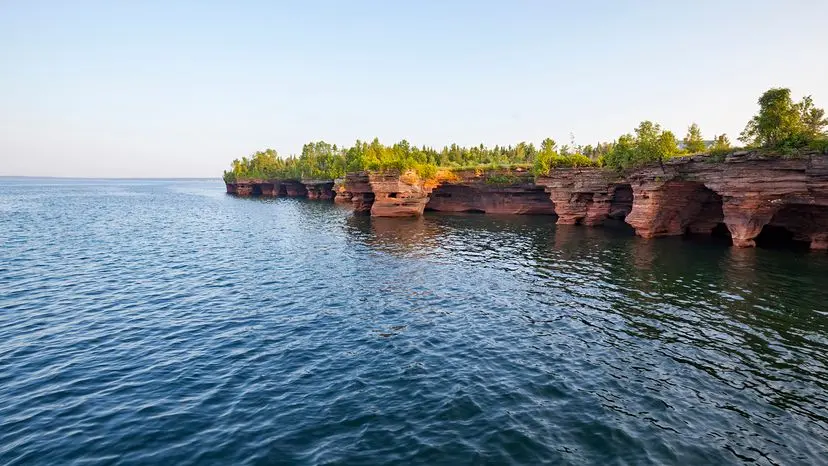
Discovering America's Vast Waters
When we talk about the "biggest" lakes, we usually mean the ones that cover the most ground, known as their surface area. America is home to many such lakes, from incredible natural wonders created long ago to large lakes built by people for different purposes. These vast bodies of water are very important for nature and for communities.
The Majestic Great Lakes
The Great Lakes are without doubt the largest and most famous lakes in the United States. These five huge freshwater lakes are like inland seas, sitting on the border with Canada. They are essential for many plants and animals, and they also provide fresh water for millions of people.
- Lake Superior: This is the biggest of all the Great Lakes, and the largest lake in the U.S. It's also the biggest freshwater lake in the world by its surface area. Its waters flow towards the Atlantic Ocean.
- Lake Huron: The second largest, Lake Huron has thousands of islands and the longest shoreline of any Great Lake.
- Lake Michigan: The third largest, Lake Michigan is so connected to Lake Huron that they are sometimes thought of as one giant lake. If combined, they would be the biggest freshwater lake in the world.
- Lake Erie: This is the fourth largest Great Lake. It played a major role in trade history thanks to the Erie Canal.
- Lake Ontario: The fifth Great Lake and the one furthest to the east. It's the last lake the water flows through before reaching the Atlantic Ocean. Its name, from an Indigenous language, actually means "great lake."
All of these magnificent lakes were formed by glaciers many thousands of years ago, showing the amazing power of nature.
Man-Made Wonders: Reservoirs
Even though the Great Lakes are natural, people have also created many large lakes, often by building dams across rivers. These man-made lakes, called reservoirs, are very useful. They can store drinking water, help prevent floods, and even create electricity.
- Lake Oahe and Lake Sakakawea: These are two of the largest man-made lakes. They are both on the Missouri River in North and South Dakota, holding vast amounts of fresh water.
- Red Lake: Found in Minnesota, Red Lake is a popular spot for ice fishing and home to many fish species.
- Fort Peck Lake: In Montana, Fort Peck Lake is a beautiful place for wildlife and tourists.
- Truman Lake: This lake in Missouri mainly helps control floods, but it's also used for fun activities and generating power.
Lakes Across Every State
Beyond these national giants, every single state in the U.S. has its own largest lake. Some are natural treasures, while many others are reservoirs that communities have built. These lakes, no matter their size compared to the Great Lakes, are important resources. They support local ecosystems and provide places for people to relax and enjoy nature, as well as supplying water for daily use.
Useful vocabulary for this level
lake, water, giant, size, deep, shore, island, fish, boat, swim, surface, area, river, state, border, travel, nature, explore, largest, freshwater, volume, connect, popular, vacation, national, parkGrammar patterns found in this adapted reading
In the reading text for B1–B2 level you can find:- Present Simple: "Lake Superior is the largest..."
- Past Simple: "...glaciers created these large lakes."
- Modal Verbs (can): "You can swim..."
- Superlative Adjectives: "...the deepest lake..."
- Prepositions of Place: "...on the border..."
What new things readers can learn from this adapted text
In this adapted text you can learn new information about the five largest lakes in America, often called the Great Lakes. You will discover their names, sizes, and some interesting facts about each one.- You can learn about the geographical location of each lake, understanding which states and countries they border.
- You can learn about the unique characteristics of each lake, such as its size, depth, and the types of activities it offers.
- You can learn about the importance of the Great Lakes as a source of freshwater and a habitat for diverse wildlife.
- You can learn how the Great Lakes were formed thousands of years ago.
- You can learn about some of the popular tourist destinations and national parks located around the Great Lakes.
Water Giants: A Look at America's Largest Lakes
America is home to many beautiful lakes. Some are small, and some are very, very big. We will look at the biggest lakes in America. These lakes are so big, they are sometimes called "inland seas". They are part of what is known as the Great Lakes. This adapted reading will help you learn about these water giants!
The Great Lakes
The Great Lakes are a group of five very large lakes in North America. They are: Lake Superior, Lake Michigan, Lake Huron, Lake Erie, and Lake Ontario. These lakes hold about 21% of the world’s surface fresh water. That's a lot of water! Glaciers created these large lakes thousands of years ago.
Lake Superior: The King of the Lakes
Lake Superior is the largest of the Great Lakes, and it is also the largest freshwater lake in the world by surface area. It is so big that it could hold all the other Great Lakes plus three more lakes the size of Lake Erie! Lake Superior borders Canada and the United States. Many ships travel on Lake Superior, carrying goods to different cities.
Lake Michigan: The Only One Entirely in the USA
Lake Michigan is the only one of the Great Lakes that is entirely within the United States. The other lakes border both the US and Canada. Lake Michigan is known for its beautiful sandy beaches and dunes. It is a popular place for swimming, boating, and fishing.
Lake Huron: Islands and History
Lake Huron is the second largest of the Great Lakes. It has more shoreline than any of the other Great Lakes because it contains about 30,000 islands! Lake Huron is on the border between the United States and Canada. There is a lot of history in this area, including shipwrecks and old trading posts.
Lake Erie: Shallow but Important
Lake Erie is the shallowest of the Great Lakes. Because it is shallow, it warms up quickly in the summer, making it a good place for swimming and water sports. Lake Erie is also important for fishing. Many kinds of fish live in the lake. However, because it's shallow, it can also have algae blooms, which scientists are working to solve. This is a great piece of English reading for beginners.
Lake Ontario: The Smallest but Deep
Lake Ontario is the smallest of the Great Lakes by surface area, but it is also one of the deepest. It connects to the Atlantic Ocean through the St. Lawrence River. Lake Ontario is on the border between Canada and the United States. It is an important source of drinking water for many people. This is also a great place for viewing wildlife. This text provides useful adapted articles for reading.
Exploring the Great Lakes
The Great Lakes are a beautiful and important part of North America. You can visit many national parks and beaches around the lakes. You can also learn about the history and culture of the area. The Great Lakes are a great place to explore nature and enjoy the outdoors. These English reading texts will inspire your next vacation plans.
Why are these lakes important?
These lakes are incredibly important. They provide drinking water to millions of people. They are vital for shipping and transportation. They support a rich ecosystem. Protecting these lakes is extremely important for the future. This is a great example of reading adapted texts. These adapted books for reading are essential to learn more about the world.
Learn More and Save Words
We hope you enjoyed this adapted reading about America's largest lakes. You can now explore other adapted stories for reading. Remember to save any new words you learned to your personal dictionary so you can practice them later! We hope these English reading for A1/A2/B1/B2 level texts are beneficial for your language development. By reading this adapted article for reading, you have broadened your knowledge of North America's natural wonders!